
What Is Wainscoting? The Classic Wall Making a Comeback
Introduction
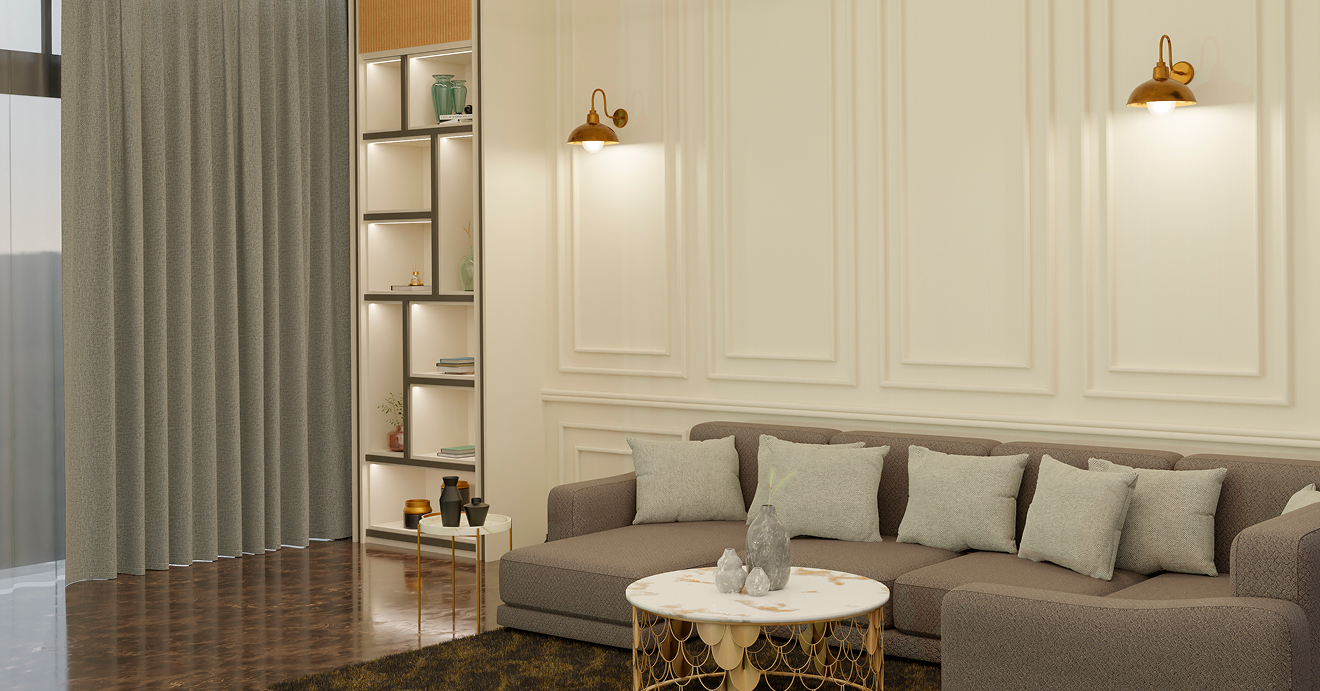
For those looking to add a touch of sophistication to their everyday surroundings, wainscoting is an underrated design element that brings character to a space, whether that is a home or a commercial setting. Rooted in European tradition, it has since travelled far beyond its origins and remains just as relevant in contemporary Malaysian interiors today.
In this guide, we define wainscoting, explore its rich history, and explain why this classic wall treatment remains a popular choice today. We will also walk you through the most popular styles, discuss the best materials for Malaysia's tropical climate, and detail why professional installation makes all the difference in achieving a flawless finish.
What is Wainscoting?
Wainscoting is a type of decorative and protective wall panelling that is typically installed on the lower portion of a wall. Rather than being simple paint or wallpaper, it consists of panels, frames, and mouldings that add texture, depth, and architectural character to a space.
They are typically made from MDF wood or PVC panels and extend from the floor up to chair rail height, usually around 900 mm to 1200 mm, depending on the ceiling height and overall room proportions.
The Origins of Wainscoting
The term "wainscoting" traces back to the Middle English word "waghen-schot," roughly translating to wagon partition or wall protection. Dating back to the 16th century in Europe, it was far more than a stylistic choice. In homes without modern heating or insulation, panels were installed along the lower portion of walls to insulate cold stone surfaces and protect upper plaster from moisture rising up from the floor.
Over time, what started as a necessary solution evolved into a mark of craftsmanship and status. Today, wainscoting is used primarily for decorative and protective purposes, while continuing to reflect a timeless tradition of interior design.
Why Malaysian Spaces Benefit from Wainscoting
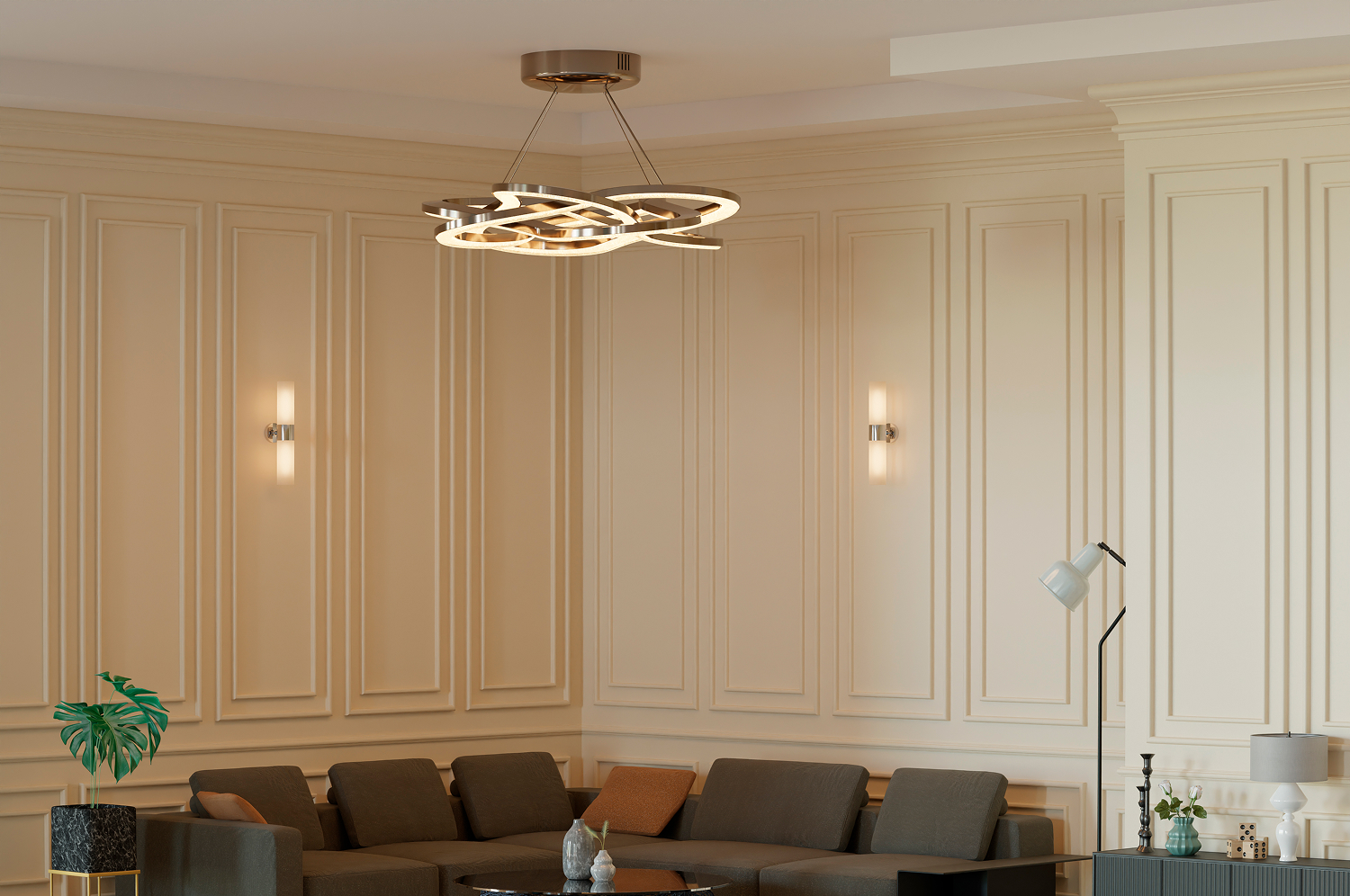
- Humidity and Moisture Protection: Malaysia's persistent humidity can take a toll on walls over time. Wainscoting, particularly in PVC or WPC, acts as a protective barrier, making it a practical long-term investment for both homes and businesses.
- Wall Protection: Wainscoting shields the lower portion of walls from everyday scuffs, scratches, and chair damage, making it especially valuable in high-traffic commercial settings like restaurants, hotels, and retail spaces.
- Easy Maintenance: Compared to painted plaster walls, wainscoting panels are far easier to clean and maintain, a welcome quality for both busy households and commercial environments.
- Acoustic Comfort: Certain wainscoting materials and profiles help absorb sound, making them a subtle but effective solution for offices, meeting rooms, and dining spaces looking to manage noise levels.
- Conceals Imperfections: For older or lightly renovated properties, wainscoting is an effective way to cover uneven or damaged walls without the cost and disruption of full replastering.
- Faster and Cleaner Installation: Compared to traditional carpentry, wainscoting offers a quicker installation process. Panels can be fixed directly onto existing walls, resulting in a cleaner finish with less mess and disruption.
- Condo-Friendly: Many condominiums in Malaysia have restrictions on drilling and hacking. Since wainscoting panels can be installed rather than requiring structural work, they are an ideal upgrade without breaching building regulations.
- Cost-effective: Wainscoting is a favourite among homeowners and interior designers looking to stylize a space without the cost of full renovation or custom carpentry.
Exploring the Best Types of Wainscoting For Your Home
1. Classic Beadboard
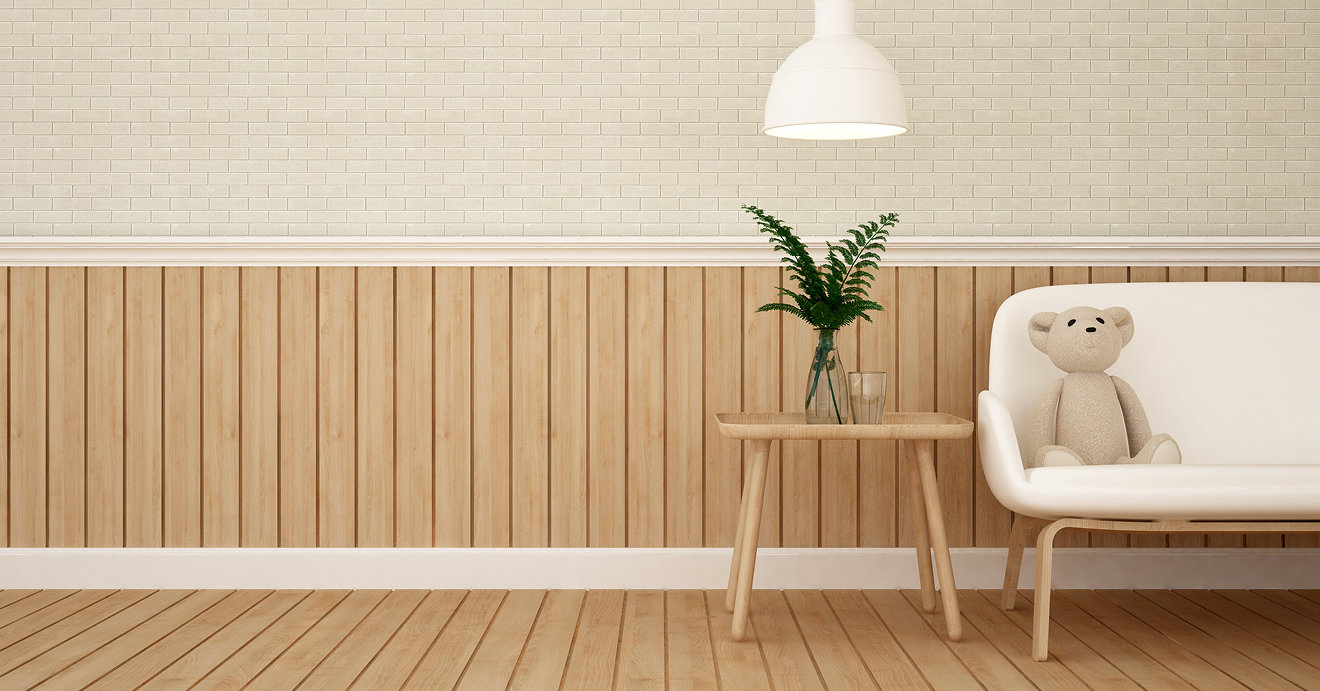
Beadboard is defined by its long vertical grooves or beads cut into the surface, giving it a classic tongue-and-groove appearance. It is a style that leans into the charm of rustic or cottage styles rather than formality, making it one of the more approachable wainscoting options available.
Key qualities that make it a popular choice:
- Lightweight and easy to install
- Budget-friendly compared to other wainscoting styles
- Creates a rustic, cottage-like feel that adds warmth to casual spaces
Works best in: Contemporary, modern minimalist, and transitional interiors where simplicity and clean lines are the priority.
2. Elegant Raised Panel and Flat Panel Styles
This style is the most traditional and formal, often found in luxury-style homes and elegant commercial interiors.
There are two main variations to know:
a) Raised Panel
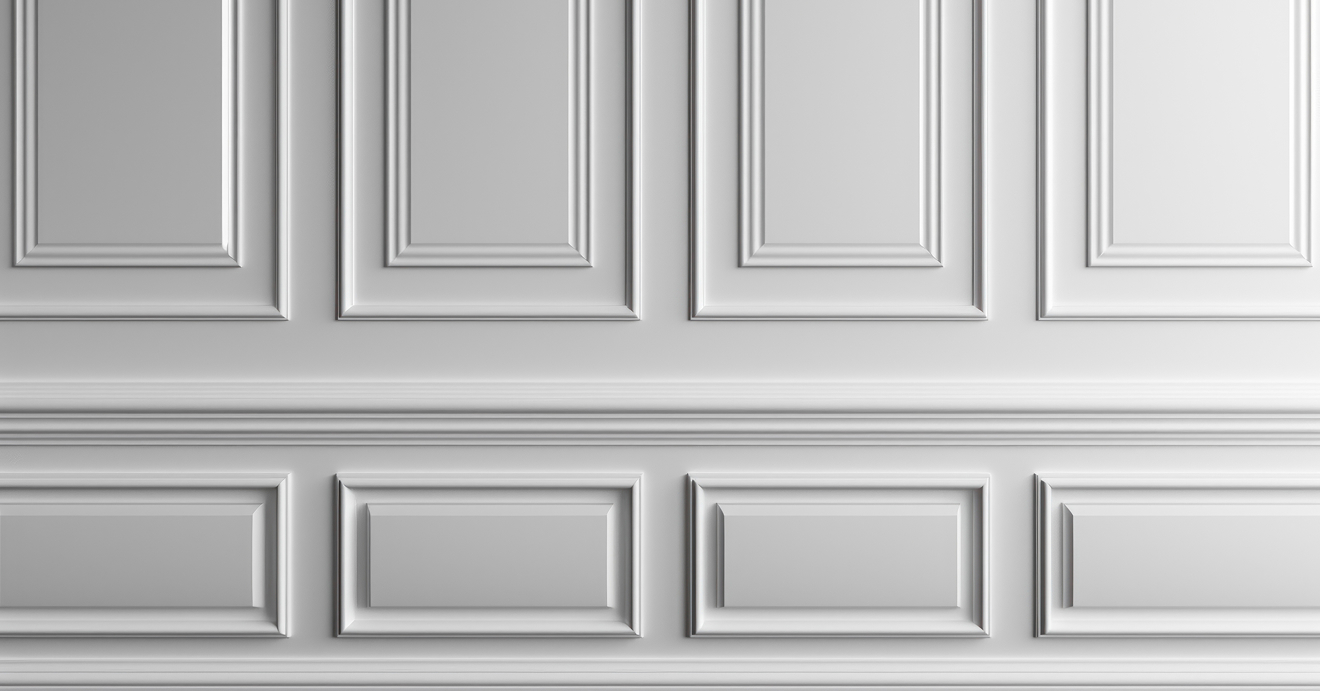
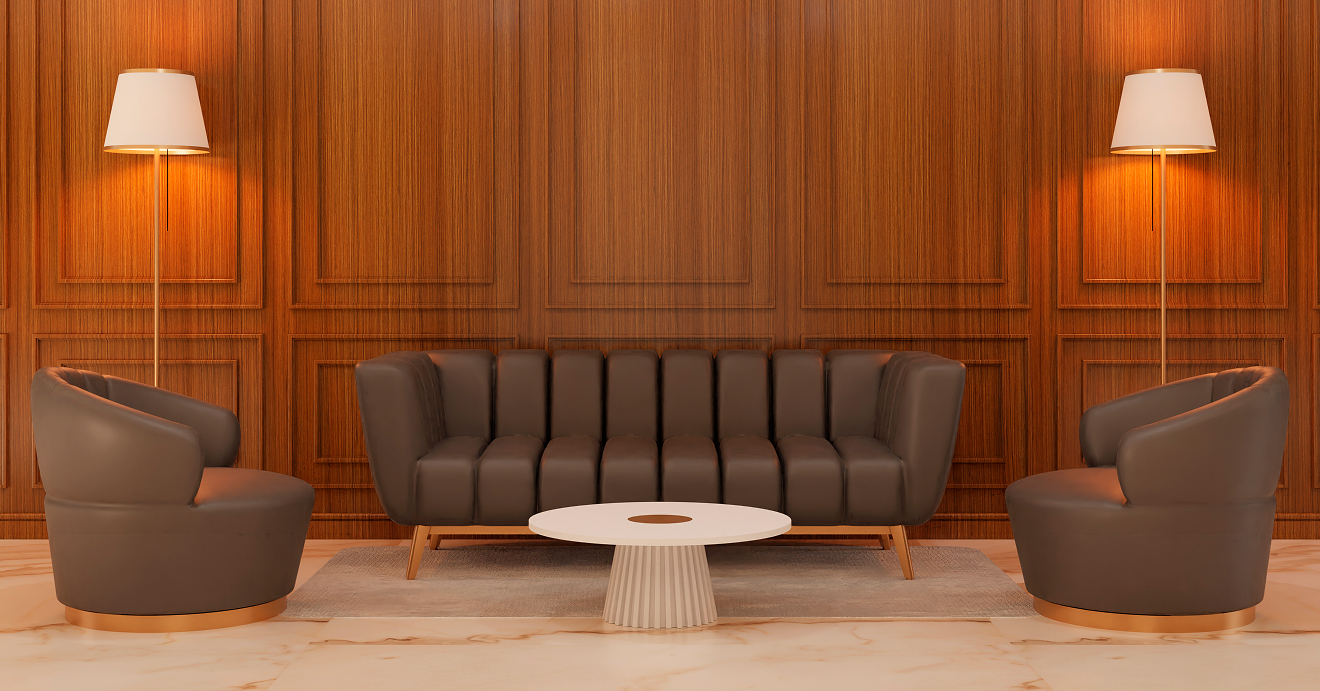
Features beveled edges that make the centre panel appear slightly raised from the surrounding frame, giving it a distinctly three-dimensional and formal quality.
Key qualities that make it a popular choice:
- Creates a sense of grandeur and architectural depth
- Adds a classic, heritage-inspired character to any room
- Works well in both traditional and formal interior styles
Works best in: Formal dining rooms, grand entryways, and classic or heritage-inspired interiors where elegance is the goal.
b) Flat Panel (Shaker)
Features flat centre panels and simple, squared frames that prioritise clean lines over ornamentation.
Key qualities that make it a popular choice:
- Unfussy and minimal, making it easy to style around
- One of the most versatile wainscoting styles available
- Suits a wide range of budgets and interior directions
Works best in: Contemporary, modern minimalist, and transitional interiors where simplicity and clean lines are the priority.
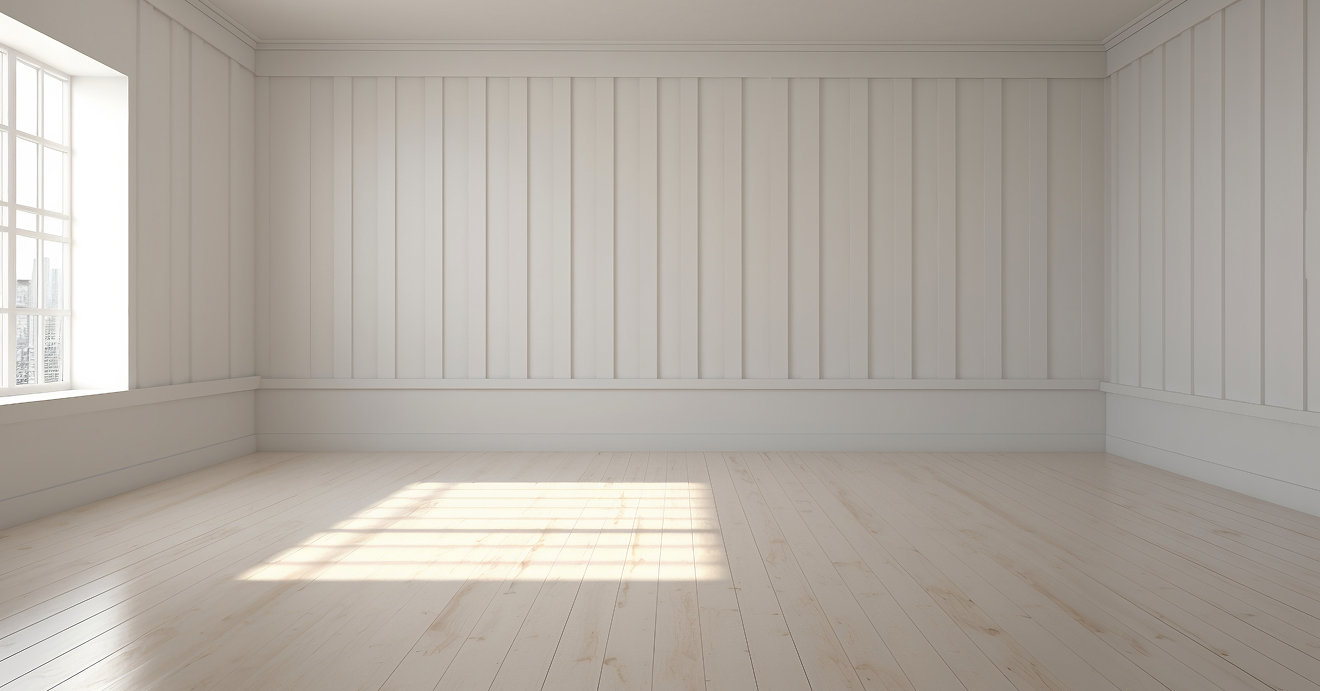
3. Modern Board and Batten
Board and batten consists of wide vertical boards separated by slender vertical battens, or strips of material, running along the wall. It is a style that balances structure with simplicity, making it one of the more visually striking wainscoting options available.
Key qualities that make it a popular choice:
- Bold, graphic lines that create a strong visual impact
- Works equally well as a full wall treatment or accent wall
- Carries an industrial farmhouse feel that suits modern Malaysian homes
Works best in: Living rooms, bedrooms, and entryways where a striking accent wall or a modern farmhouse aesthetic is the goal.
Choosing the Right Material: MDF, Wood, or PVC
Selecting the material is crucial, especially in our humid climate. The table below compares the key differences of MDF, natural wood, and PVC to help you choose the most suitable option for your space:
| Material | Pros (Advantages) | Cons (Disadvantages) | Best For |
|---|---|---|---|
| MDF (Medium-Density Fibreboard) |
Budget-friendly, excellent for painting, smooth finish, resists warping | Vulnerable to moisture damage if not properly sealed | Living rooms, bedrooms, formal areas |
| Solid Wood | Highest quality, durability, natural grain look | High cost, requires more maintenance, expands and contracts with humidity | Feature walls or specific climate-controlled areas |
| PVC (Polyvinyl Chloride) |
Waterproof, lightweight, highly durable, and requires almost no maintenance | Fewer style options, and it may look less premium | Bathrooms, kitchens, and high-moisture areas |
At Averton Sdn Bhd, we offer a range of robust, high-quality wainscoting products designed to suit every budget and interior vision. Whether you are going classic or contemporary, there is an option built for your space. Browse our full range here.
Where to Install Wainscoting for Maximum Impact?
For Residential Spaces
1. Dining Rooms and Hallways
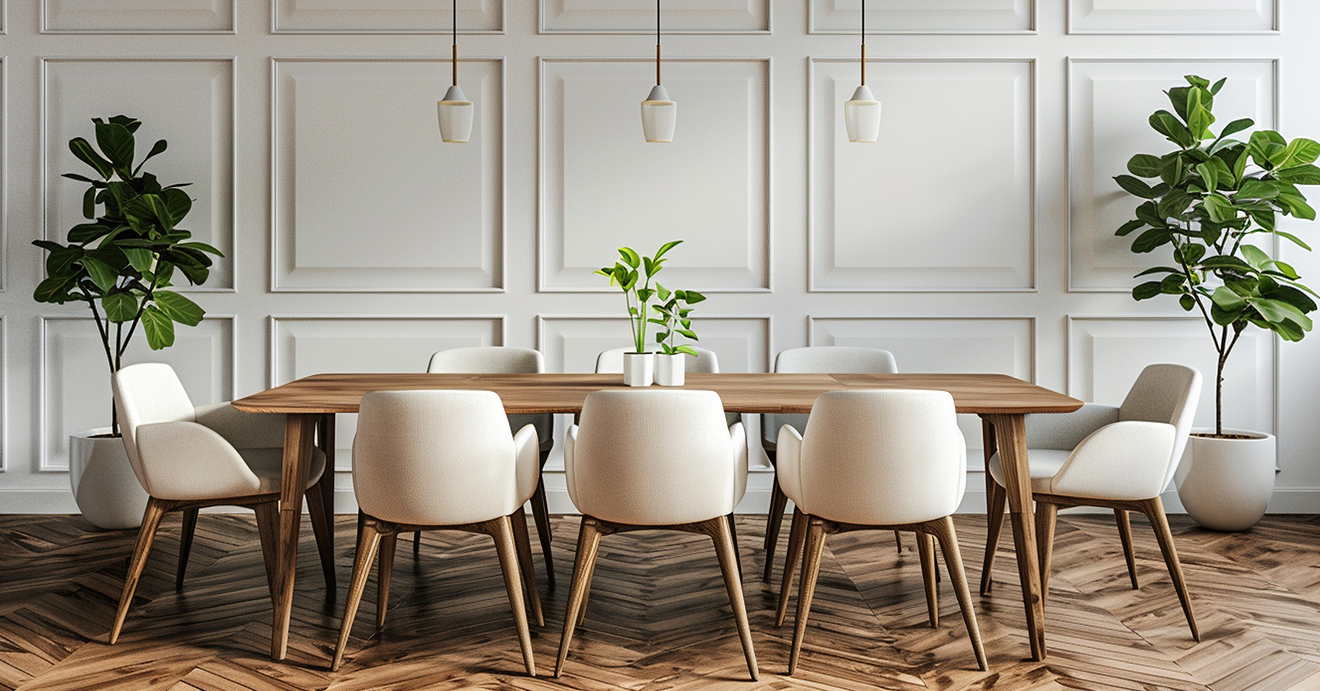
The classic placement for wainscoting is in more formal spaces, like dining rooms and long hallways. In a dining room, it adds instant sophistication, while in a hallway, it protects the walls from daily traffic and visually expands the space.
2. Bathrooms and High-Moisture Areas
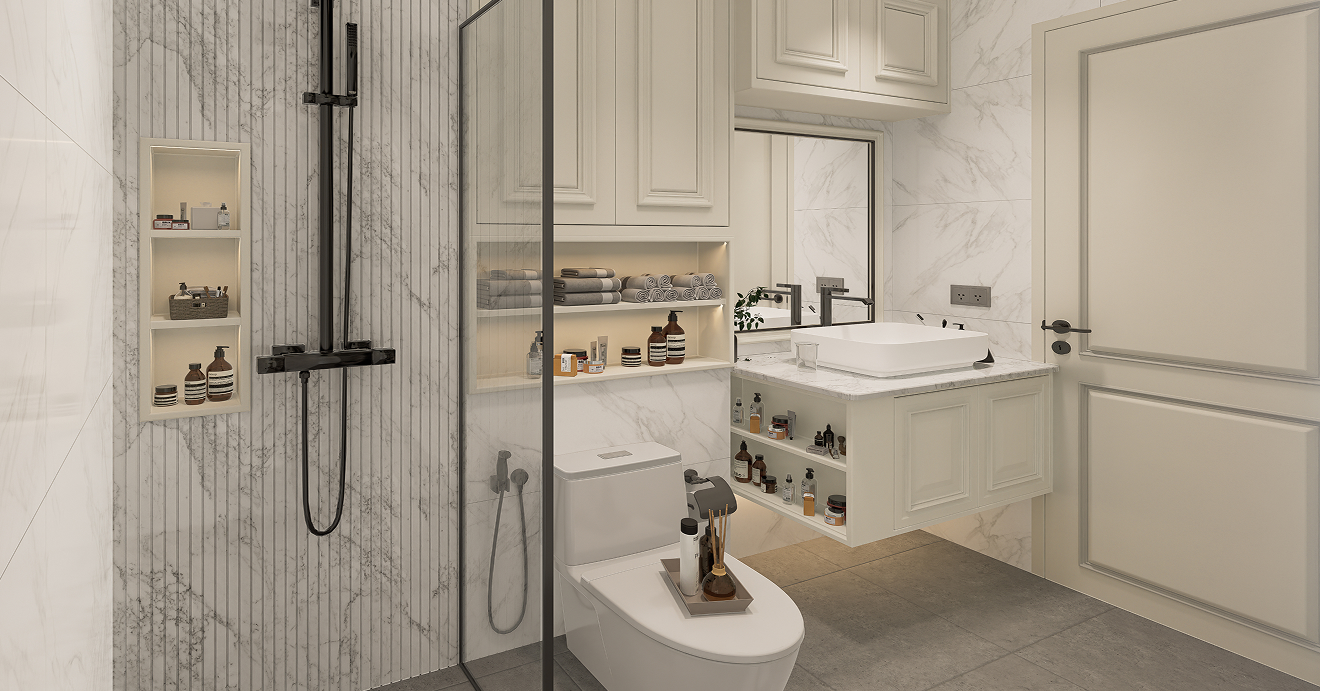
For areas exposed to water and humidity, like bathrooms or kitchen backsplashes, we highly recommend using moisture-resistant materials such as PVC. This ensures the panels do not warp or peel over time, providing durable protection and beauty.
3. Bedrooms
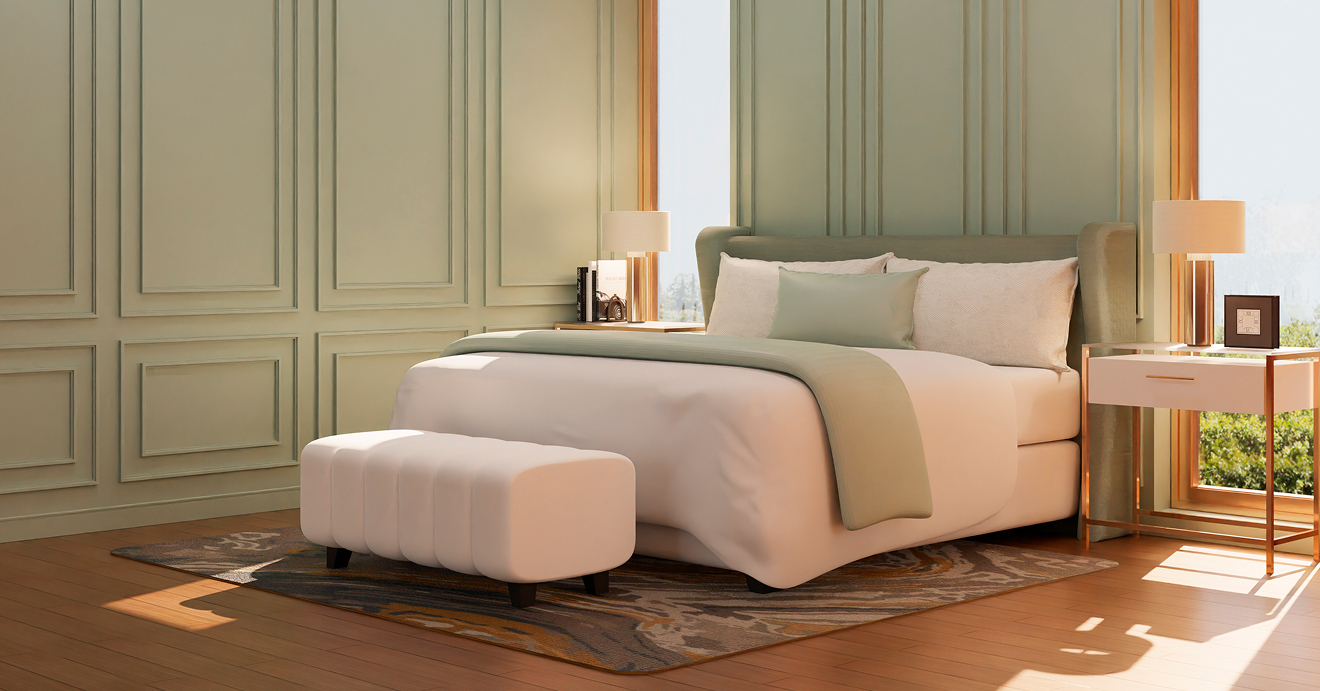
Wainscoting can be used to create a stunning feature wall behind the headboard of a bed, adding warmth and dimension without the need for complex artwork. It grounds the room and creates a peaceful, cozy atmosphere.
For Commercial Spaces
1. Restaurants and Cafes
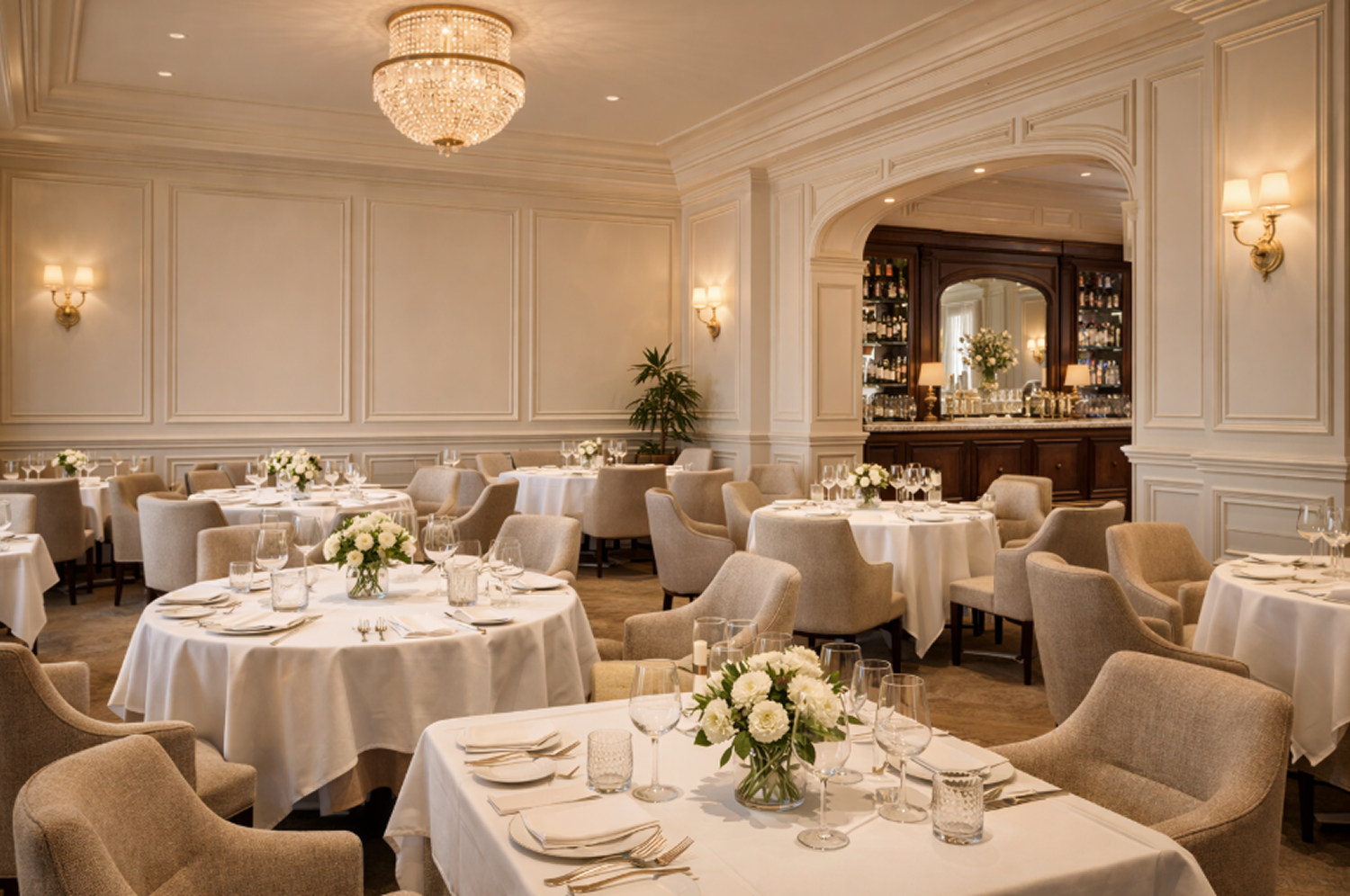
Wainscoting in dining environments serves both form and function. It protects walls from the scuffs and spills of a busy service while adding warmth and character to the overall ambiance.
Paired with the right lighting, it can elevate a casual cafe into something that feels considered and truly inviting.
2. Hotels and Serviced Apartments
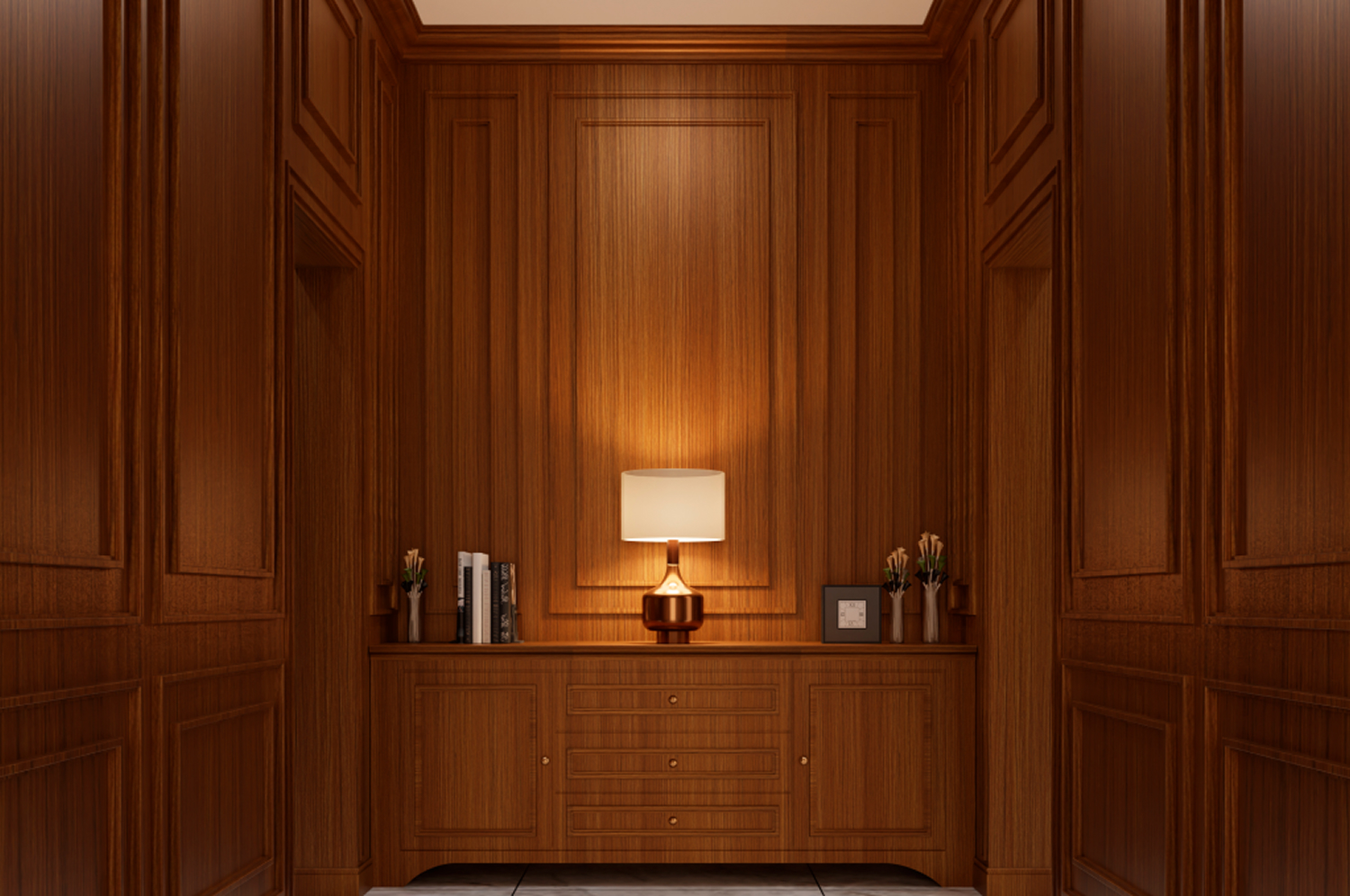
In hospitality settings, the details are what guests remember. Wainscoting along corridors, lobbies, and guest room feature walls adds a layer of luxury and refinement that leaves a lasting impression, while also protecting high-traffic surfaces from everyday wear and tear.
Wainscoting vs Paneling: What Are Their Key Differences?
The terms wainscoting and paneling are often used interchangeably, but they have a distinct difference based on height and coverage in traditional usage:
| Feature | Wainscoting | Paneling |
|---|---|---|
| Height (Traditional Use) | Covers the lower third of the wall, typically chair rail height | Covers the entire wall, floor to ceiling |
| Height (Modern Use) | Varies widely, often extending up to two-thirds of the wall or covering the entire wall as a feature panel. | Typically covers the entire wall, floor to ceiling. |
| Main Purpose | Protection, insulation, and lower wall decoration | Full wall covering, insulation, and dramatic aesthetics |
| Common Use | Dining rooms, hallways, and bathrooms | Studies, libraries, and dramatic feature rooms |
Wainscoting is essentially a specific style of wall paneling designed for the lower section of the wall, though modern design frequently expands this height for aesthetic purposes.
Why Choose Professional Wainscoting Installation Instead of a DIY Approach?
Although installing wainscoting may appear straightforward, the precision required can greatly affect the final appearance and durability of the panels. Choosing Averton for your installation helps ensure a clean, professional finish that lasts.
Precision and Safety
- Wainscoting installation requires careful measurement, precise cutting, and accurate alignment. This becomes even more important when working around electrical outlets, uneven walls, or tight corners.
- Our experienced installers ensure that every panel, joint, and frame is aligned properly to create a seamless look. Proper installation also helps improve the overall finish and value of your interior space.
Longevity and a Flawless Finish
- Using the right materials and finishing methods is essential in Malaysia’s humid climate. We source high-quality panels and apply suitable sealing and finishing techniques to protect the panels from moisture and wear.
- Professional installation also ensures the panels are securely fixed, reducing the risk of gaps, warping, or moisture damage over time.
Save Time and Effort
- Installing wainscoting involves careful measuring, cutting, painting, and finishing. By leaving the process to Averton, you avoid the hassle and potential mistakes of DIY installation.
- Our team manages the entire installation process, allowing you to enjoy a beautifully finished space without the stress of handling the renovation yourself.
What Are the Best Ways to Keep Your Wainscoting Beautiful?
Once installed correctly, wainscoting is surprisingly easy to care for, especially when using durable materials like PVC or well-finished MDF.
- Cleaning by Material: For painted or PVC wainscoting, wipe down with a soft, damp cloth and mild soap to remove dust and marks. Avoid harsh or abrasive cleaners. For solid wood wainscoting, use a wood-specific polish sparingly to maintain its natural lustre.
- Handling Minor Damage: Small scratches on painted wainscoting can be touched up with matching paint. Deeper dents in wood or MDF may require light sanding and filling, though quality panels generally hold up well against everyday wear.
- Repainting and Refreshing: One of the great advantages of wainscoting is how easy it is to repaint. A simple colour change can give a room an entirely new feel without full replacement or major renovation, making it a design investment that adapts as your taste evolves.
Conclusion
Wainscoting is a timeless architectural detail that brings function, character, and quiet elegance to any space in Malaysia. Whether you are drawn to the rustic charm of beadboard or the clean lines of shaker style, it is one of the more impactful upgrades you can make without breaking the bank, all while protecting your walls for years to come.
Ready to see what wainscoting can do for your space? Whether you are renovating a home or refreshing a commercial interior, our team is here to help you get it right. Contact us today to discuss your vision and book a consultation in Selangor.
Frequently Asked Questions (FAQs) About Wainscoting in Malaysia
1. Where on the wall should I take the measurements for Wainscoting?
Measure the full wall length and your chosen panel height. Take two measurements per section, one near the floor and one higher up, and use the longer figure to account for walls that may not be perfectly straight. Do not forget to factor in doors, windows, and skirting boards.
2. Can I install Wainscoting on a staircase?
Yes, and it is a popular choice for adding visual interest along stair walls. Flexible PVC panels work best as they follow the angled slope more easily. For complex staircases, professional installation is recommended for a cleaner and safer result.
3. Can you paint Wainscoting panels?
Yes, most panels used in Malaysia, including PVC and MDF, accept paint well with the right preparation. Apply a suitable primer first, then two coats of acrylic enamel or interior wall paint. A popular finish in Malaysian condos is white wainscoting paired with neutral tones like greige or soft grey on the upper wall.
4. Does Wainscoting really increase your home’s value?
Yes. Wainscoting is an architectural feature that prospective buyers actively look for, giving a home a more custom and high-end feel. Its presence also signals a well-maintained property, which is a strong selling point during resale.
5. Is Wainscoting purely decorative or does it serve a practical purpose?
Both. While modern wainscoting is certainly decorative, it also maintains its original function as a protective layer against everyday bumps, scuffs, and wall damage. That duality is what makes it such a worthwhile investment.


