
What Is a Fluted Wall Panel? Small Detail, Massive Difference
Introduction
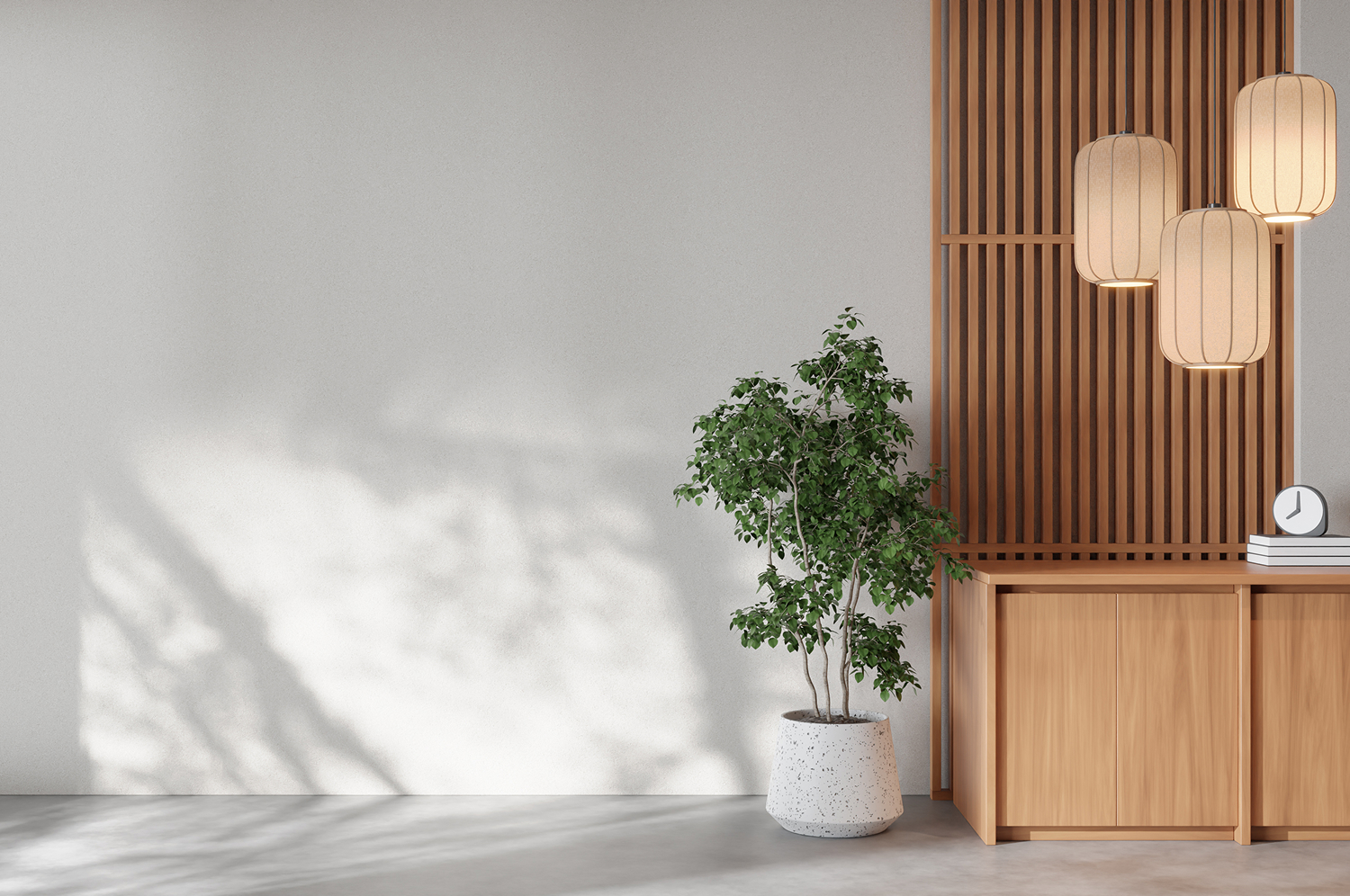
Have you ever walked into a room and felt like something was missing? That feeling is more common than you think. Our brains are naturally drawn to visual variety, and without it, even a well-furnished space can feel flat and uninspired. This is where 3D elements of interior design come in, and fluted wall panels are among the most popular choices right now.
Beyond their striking appearance, they also offer a range of practical benefits, making them a genuine win-win for both aesthetics and everyday living. In this article, we'll cover what fluted wall panels are, why they're trending, which styles and spaces they work best in, and how to properly care for them.
What Are Fluted Wall Panels?
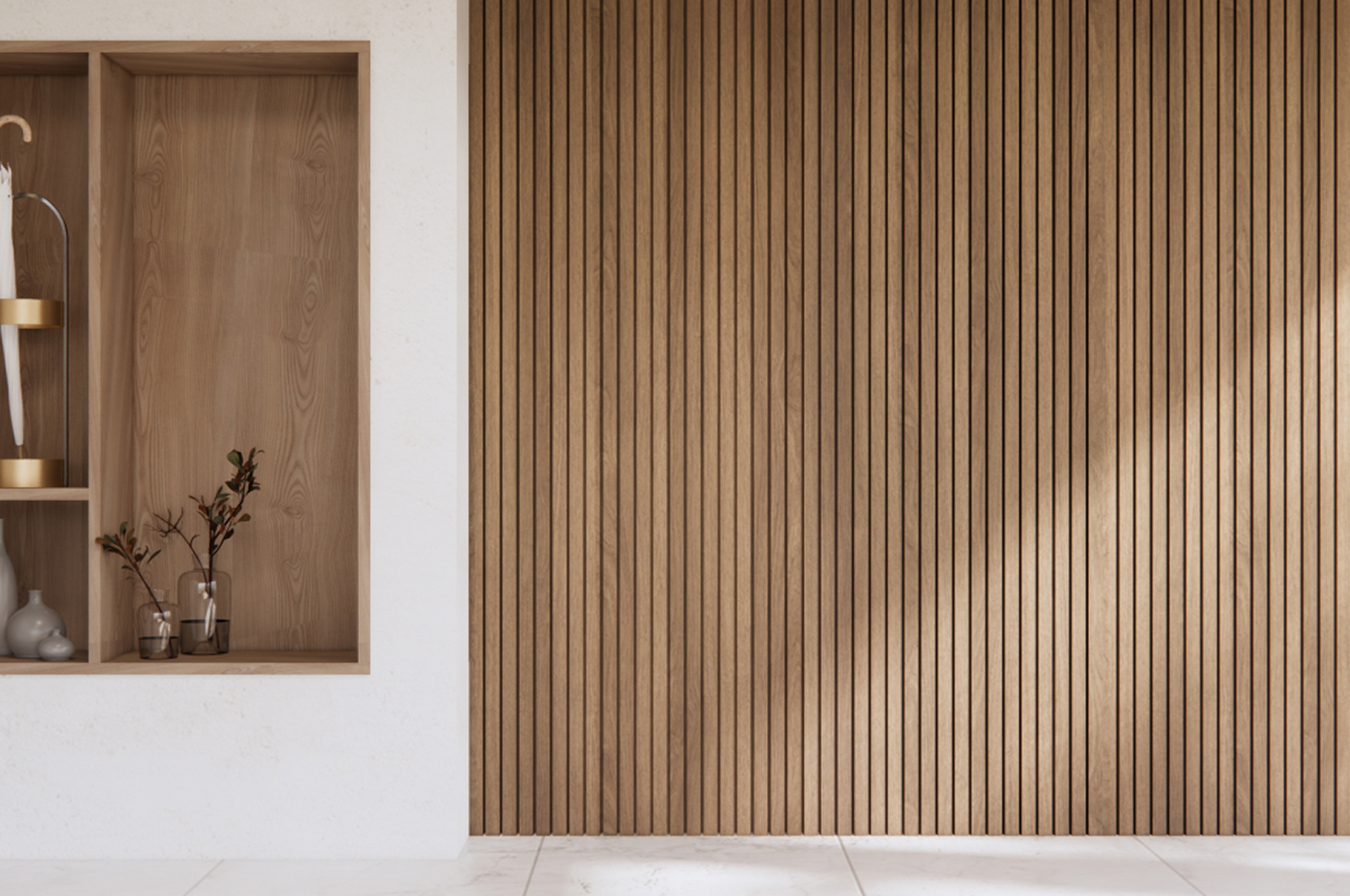
Fluted wall panels are a wall covering made up of a series of vertical or horizontal ridged grooves that create a distinctive three-dimensional effect. They are typically made from materials such as compressed wood, plant fibres, PVC plastic, or a combination of both, as seen in Wood-Plastic Composite (WPC) panels.
While some fluted wall panels are made specifically for indoor use, others are built to withstand outdoor conditions, functioning as wall cladding that serves as a protective, insulated, and decorative layer for any surface they are applied to.
Why Fluted Wall Panels Are Trending in Modern Interiors
Practical Benefits of Fluted Wall Panels
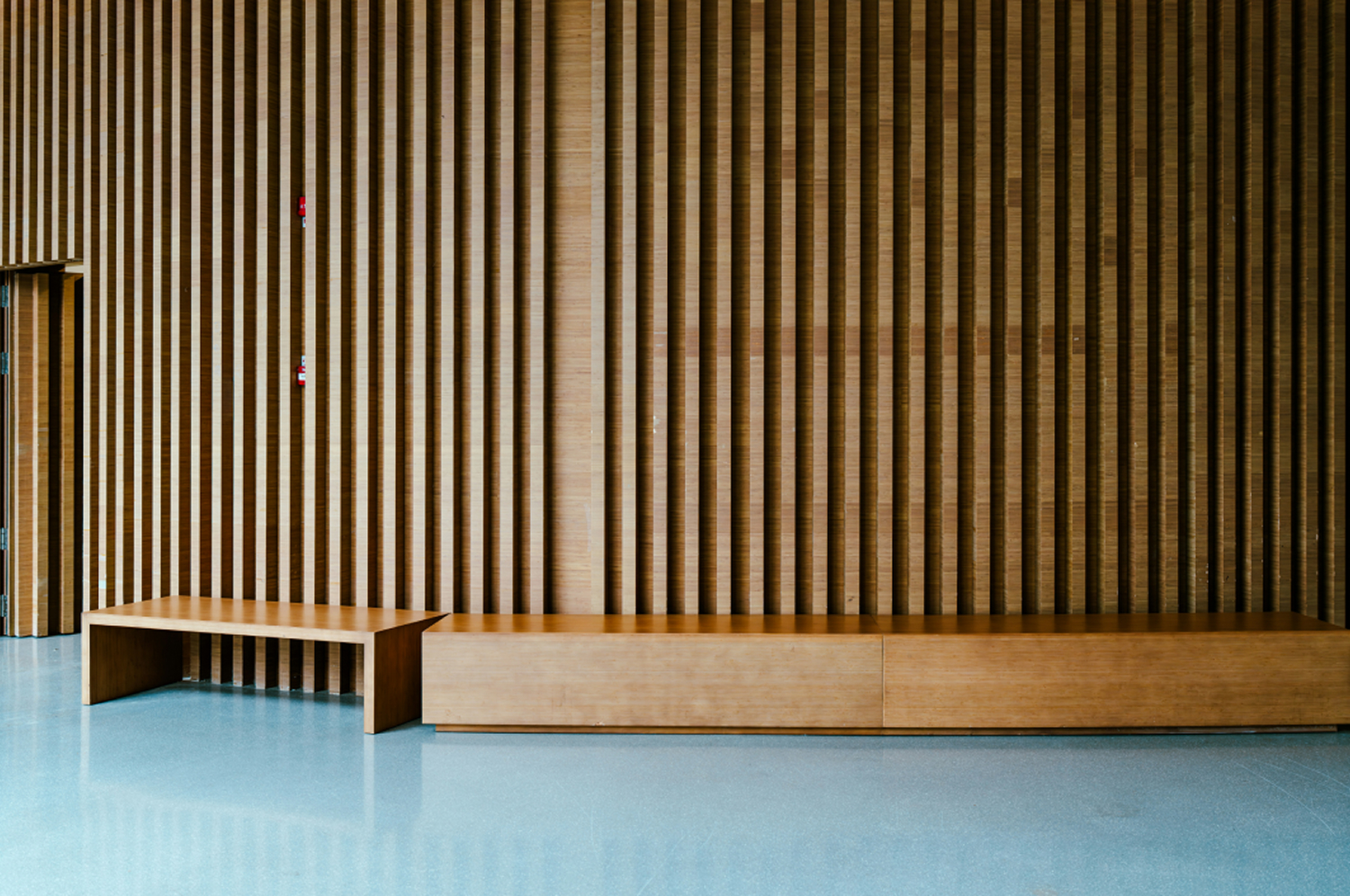
- Scalability: Fluted wall panels work equally well as a single accent wall or across an entire commercial lobby, all without the need for major renovations.
- Dimensional Stability: Made from high-density polystyrene or WPC, fluted wall panels resist expansion and contraction from humidity and temperature changes, making them a solid long-term choice for Malaysia's climate.
- Acoustic Improvement: The ridged texture scatters and absorbs sound waves, reducing echo and noise for a quieter, more comfortable space, especially in open-concept homes and condos.
- Easy Maintenance: Made from WPC or PVC, fluted wall panels repel dirt and resist stains despite their textured appearance, making them a low-maintenance choice for both home and commercial settings.
- Moisture Resistance: Most fluted wall panels are made from a combination of wood fibres and PVC or plastic polymers, creating a waterproof core that outperforms traditional wood cladding in areas prone to splashes and humidity.
Visual Aesthetics and Recent Trends Involving Fluted Wall Panels
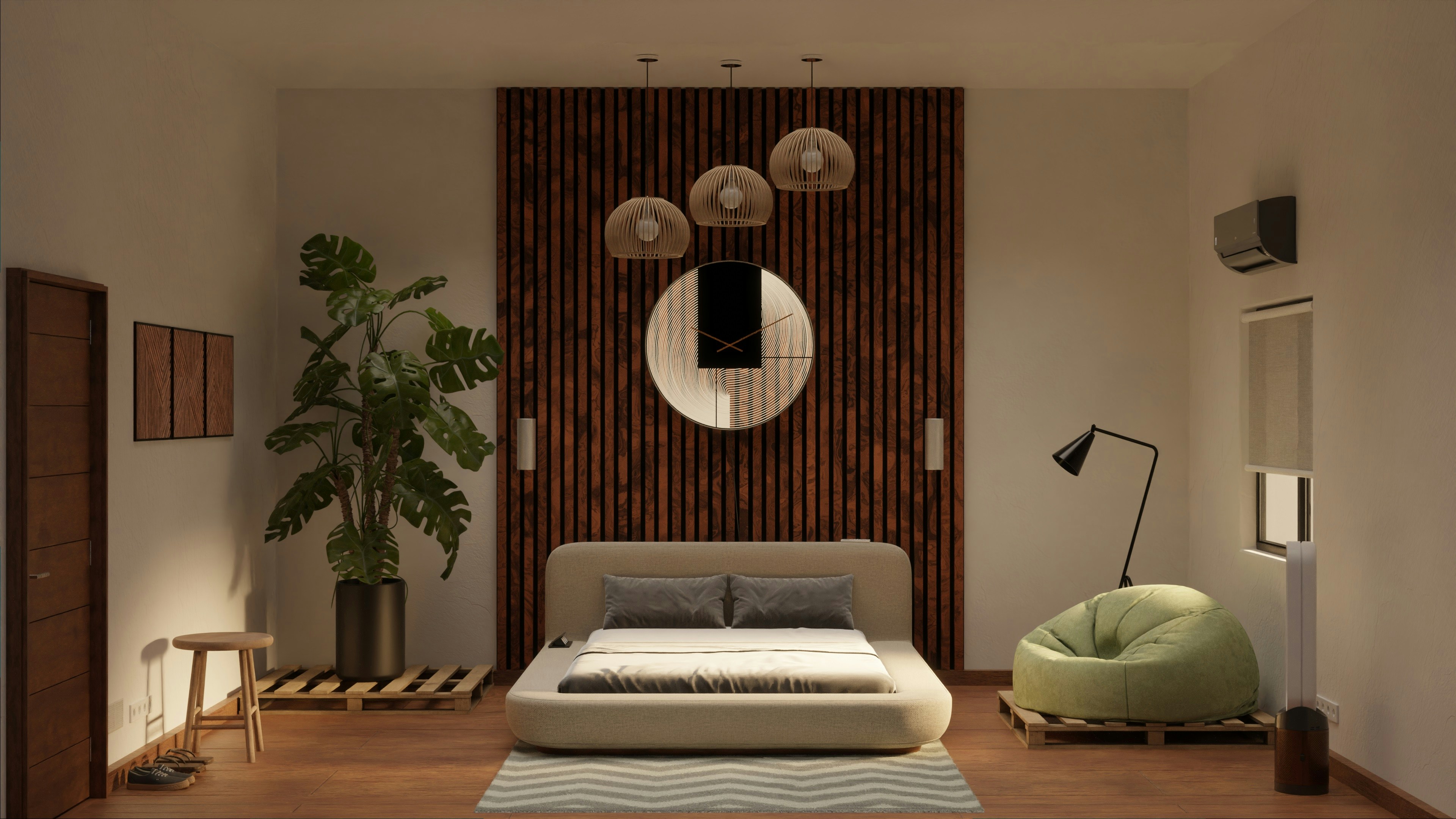
- Texture: The ridged profile of fluted panels adds instant movement and depth to otherwise flat walls, echoing natural forms like bamboo and water ripples from Asian design.
- Versatility: Fluted wall panels can be painted to match any colour palette, finished in wood tones, stone effects, or linen textures, and are available across a range of materials, making them adaptable to any interior direction.
- Timeless Appeal: Fluted grooves date back to ancient Greece and Rome, carved into stone columns for elegance. That same quality carries into modern interiors, giving spaces a classic yet contemporary feel that stands the test of time.
- Warmth and Nature: The organic shapes and natural material finishes bring a touch of the outdoors inside, adding warmth to spaces that might otherwise feel cold or sterile.
- Height and Space: Vertical fluting draws the eye upward, creating the illusion of height and making even lower ceilings feel more expansive.
What Interior Design Styles Do Fluted Wall Panels Complement?
Fluted wall panels are remarkably versatile, but they shine especially well in certain interior design styles. Here are some of the most popular styles they are used in:
- Scandinavian: Built around simplicity, functionality, and natural materials, Scandinavian interiors benefit from the warmth and texture that fluted panels bring, particularly in wood-toned or neutral finishes.
- Japandi: Japandi favours calm, natural, and understated spaces. The organic texture and clean lines of fluted panels fit effortlessly into this style, adding warmth without visual noise.
- Minimalism: In spaces where less is more, fluted panels add depth without cluttering the visual field. They let the wall do the talking while keeping everything else clean and intentional.
- Modern and Contemporary: Fluted panels complement the sleek, uncluttered look of modern interiors by introducing a layer of texture that keeps spaces from feeling too cold or sterile.
- Mid-Century Modern: With its love of natural materials and organic shapes, mid-century modern interiors pair beautifully with the rhythmic groove pattern of fluted wall panels, especially in warmer wood tones.
Types of Fluted Wall Panels
Like most wall treatments, fluted wall panels come in a variety of materials, each with its own strengths, limitations, and ideal use cases. Here are the most common types you will find on the market:
| Material | Composition | Best For | Pros | Cons |
|---|---|---|---|---|
| WPC (Wood-Plastic Composite) | Wood fibres blended with plastic polymers | TV feature walls, modern Malaysian homes | Eco-friendly, termite-resistant, good balance of wood aesthetics and moisture tolerance | Higher upfront cost, grooves require regular dusting |
| PVC (Polyvinyl Chloride) | Synthetic plastic polymer | Kitchens, bathrooms, semi-wet zones | Water-resistant, low-cost, easy to clean and install | Can yellow with UV exposure, less premium feel |
| Solid Wood | Natural woods such as teak or oak | Upscale living areas, statement accents | Timeless elegance, natural insulation, ages beautifully with care | Expensive, requires regular maintenance, vulnerable to humidity |
| MDF (Medium-Density Fibreboard) | Compressed wood fibres and resin | Dry indoor spaces like bedrooms and living rooms | Affordable, easy to customise, lightweight, and simple to install | Not moisture-resistant, prone to swelling in humid areas |
| Metal | Aluminium or steel | Commercial interiors, exterior applications | Extremely durable, weather-resistant, and enhances lighting effects | Higher cost, conducts heat and cold |
How to Choose the Right Fluted Wall Panels for Your Space
Choosing the right fluted wall panel comes down to the following factors:
- Start with the Location
The installation area should be your first consideration. Ask yourself how much moisture and humidity the space is exposed to on a daily basis.
- High moisture areas like bathrooms and kitchens: choose PVC or WPC
- Dry indoor spaces like bedrooms and living rooms: choose MDF, solid wood, WPC
- Outdoor or semi-outdoor applications: choose metal or WPC
- Consider Malaysia's Climate
Malaysia's tropical climate means humidity affects every space, even indoors. WPC fluted wood panelling strikes the best balance between a natural wood aesthetic and moisture tolerance, making it one of the most popular choices for Malaysian homes.
- Think About Aesthetics and Budget
- Premium natural look: solid wood adds warmth and character, but comes at a higher price and requires more upkeep
- Mid-range balance of cost and performance: WPC and PVC offer a strong middle ground
- Most budget-friendly for dry indoor spaces: MDF is the most cost-efficient option
- Factor in Maintenance
Different materials demand very different levels of care.
- Solid wood requires regular polishing and is vulnerable to humidity without proper treatment
- PVC and WPC are relatively low-maintenance, needing little more than an occasional wipe down
- MDF should be kept dry and away from moisture to prevent swelling over time
Where to Use Fluted Wall Panels in Homes and Commercial Spaces
Fluted wall panels work well in many interior spaces, from cosy bedrooms to high-end commercial lobbies. Below is a breakdown of where they are most commonly used:
Residential Spaces
1. Living Rooms
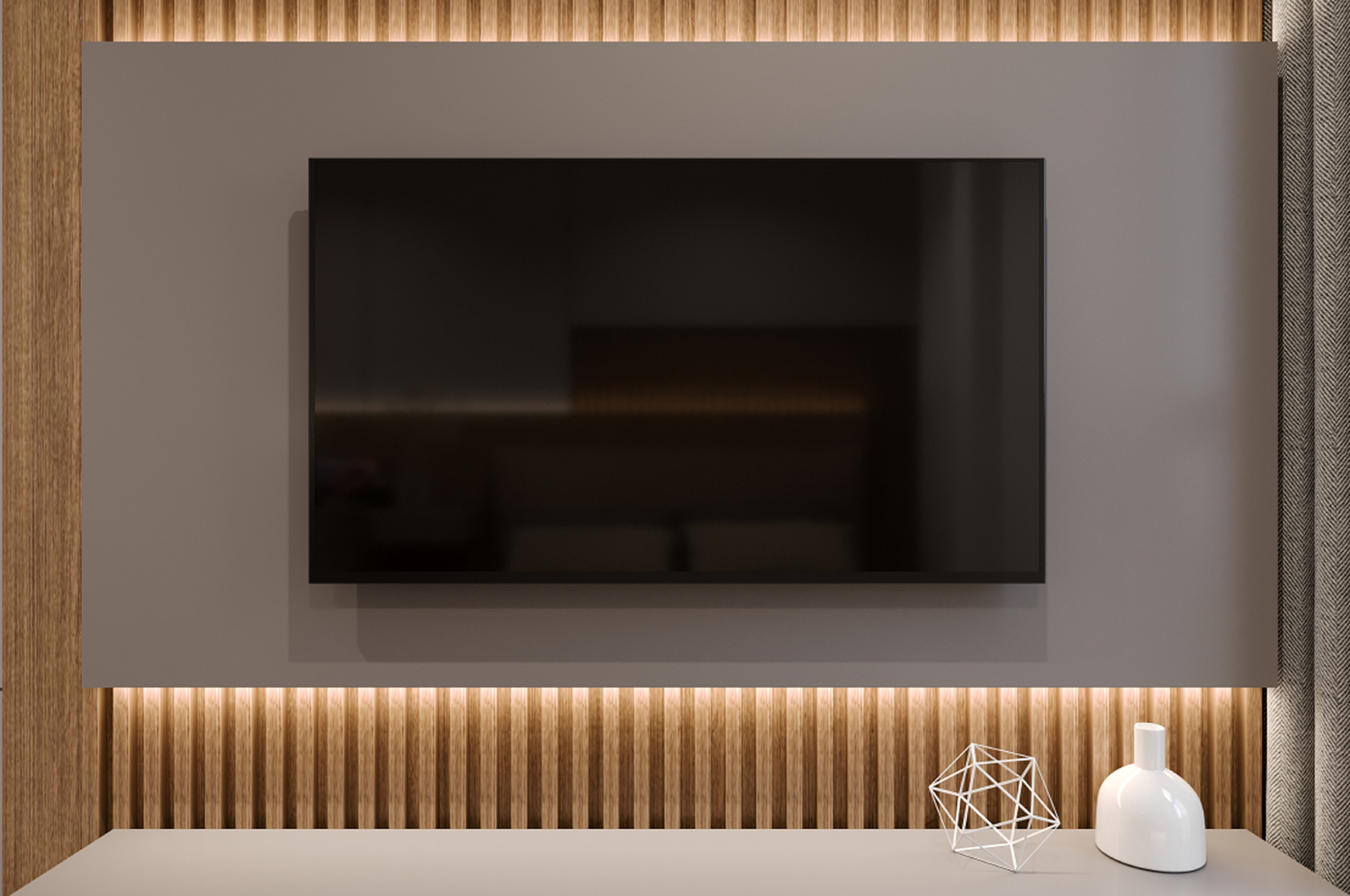
The living room is often the first space guests see, making it the ideal place to make a statement. Fluted panels work beautifully as feature walls or TV backdrops, adding visual variety without overwhelming the rest of the space.
Pair them with ambient lighting to highlight the grooves, creating a room that feels both inviting and well considered.
2. Bedrooms
For a touch of luxury, fluted panels installed behind the bed headboard or along wardrobe areas can completely transform a bedroom.
The result is a space that carries the quiet sophistication of a high-end hotel suite without leaving home.
3. Kitchens and Open Dining Areas
In kitchens and open dining spaces, fluted panels work well as splashbacks or subtle room separators. Their clean lines help define zones in open-plan layouts without the need for physical barriers.
Moisture-resistant variants such as PVC or WPC are well-suited to these areas, handling the humidity and occasional splashes that come with everyday cooking and dining.
4. Bathrooms
Fluted panels bring a spa-like quality to bathrooms when used in the right zones. Stick to dry areas such as vanity walls, accent walls, or the space above a bathtub for the best results.
Commercial Spaces
1. Reception Lobbies and Offices
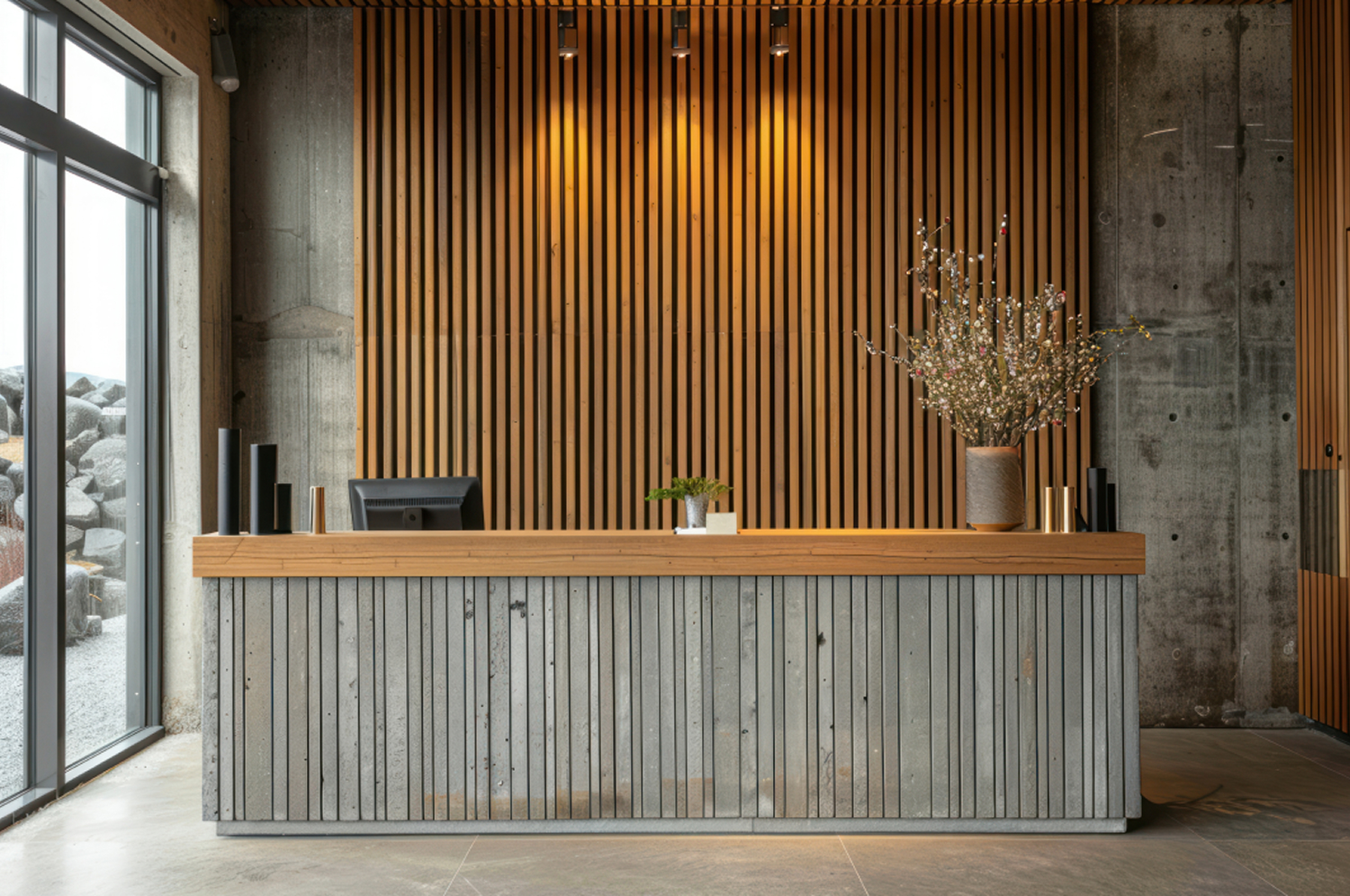
First impressions matter, and fluted panels on a front wall or behind a reception desk immediately show attention to detail.
In meeting rooms, they add a layer of acoustic comfort alongside their visual appeal, creating a more focused and professional environment for both staff and visitors.
2. Cafes and Restaurants
Ambiance is crucial to the dining experience, whether we notice it or not. Fluted panels work well as decorative backdrops or subtle space dividers that add character without demanding too much visual attention.
Their grooved texture also naturally scatters and absorbs sound, making the dining experience more comfortable in busy or open-plan venues.
3. Retail Spaces
In retail environments, visual impact drives engagement. Fluted panels create striking display backdrops that are easy to maintain.
When paired with accent or spotlighting, the grooves cast subtle shadows that add dimension and draw attention exactly where it is needed.
Maintenance and Cleaning Tips for Fluted Wall Panels
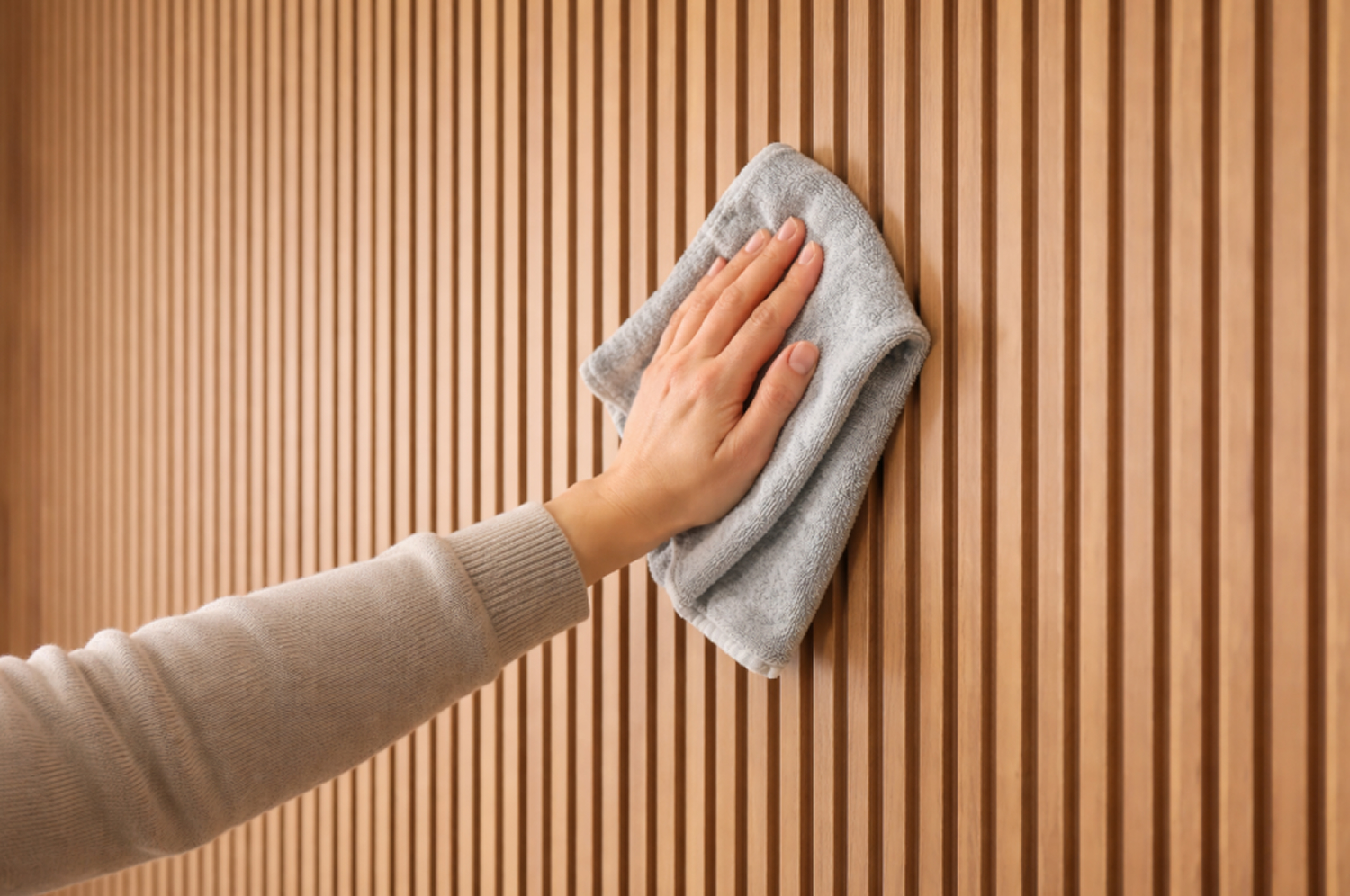
Fluted wall panels require minimal maintenance to keep them looking their best, but a little regular care goes a long way in prolonging their life. Here are some simple tips to keep them in top condition:
1. Weekly Cleaning
Dust the grooves regularly using a soft microfiber cloth, feather duster, or a vacuum with a soft brush attachment, always cleaning gently along the direction of the flutes.
For a deeper clean, wipe the panels down with a damp cloth using clean water or a mild soapy solution, then dry the surface thoroughly with a clean cloth. Avoid harsh chemicals and abrasive cleaners, as these can strip away the finish over time.
2. Annual Maintenance
Should any stains appear, spot clean with a diluted mild detergent, rinse with clean water, and dry thoroughly. And while fluted wall panels are built to last, if small chips do appear on painted or coloured surfaces over time, they can easily be repaired with plastic-safe paint after light sanding and priming.
3. Prevention Tips
Place furniture pads on anything sitting close to the panels to prevent scratches, and keep sharp objects away from the surface where possible.
That said, PVC and WPC panels are naturally scratch-resistant and require no waxing or polishing, making them significantly easier to maintain than natural wood panels.
Ready to Transform Your Space? Explore Averton’s Fluted Wall Panels
Fluted wall panels do more than dress up a wall. They transform a space into something that feels intentional and artistic, turning everyday living into an experience that is a little more beautiful. When a room looks and feels this considered, it has a way of lifting the moments spent in it.
And with the practical benefits to match, from moisture resistance and acoustic improvement to long-term durability, there is very little reason not to consider them for your next project. Browse our range of fluted wall panels today and contact us to turn your vision into a space worth talking about.
Frequently Asked Questions (FAQs) About Fluted Wall Panels in Malaysia
1. What is the difference between WPC and PVC fluted wall panels?
WPC (Wood-Plastic Composite) panels are made from a mix of wood fibre and plastic, while PVC panels are made entirely from plastic. Because of this, WPC panels are usually thicker and more impact-resistant than PVC panels. Both materials are moisture-resistant, but PVC panels generally perform better in high-humidity environments.
2. How much do fluted wall panels cost in Malaysia?
For most interior projects, PVC fluted panels usually cost around RM10 to RM25 per square foot for materials only.
WPC fluted panels are typically more expensive, often ranging from about RM20 to RM40 per square foot or more. Prices can vary depending on panel thickness, finish, and brand.
3. How much does wall panel installation cost in Malaysia?
Many installers charge about RM5 to RM12 per square foot for labour.
Some wall panel suppliers offer package prices starting from about RM25 to RM30 per square foot, which includes both materials and installation.
Always check with your provider for actual installation costs.
4. Which wall panel type is suitable for wet areas like bathrooms or kitchens?
For high-humidity areas such as bathrooms, kitchens, and laundry rooms, PVC panels are often recommended because they offer stronger moisture resistance.
For areas exposed to constant water, proper waterproofing systems should still be applied because wall panels alone are not a substitute for waterproofing.
5. Why use fluted wall panels instead of traditional wood panelling?
Fluted wall panels made from PVC or WPC are generally more resistant to moisture than natural wood, which can swell or require refinishing in humid environments.
They are also easier to clean and maintain, and installation is typically faster and more affordable than solid timber panelling. This makes them a practical and cost-effective alternative.


 WhatsApp Us